How much does a custom deck cost in 2026?
Building a custom deck is one of the best ways to expand your living space, increase home value, and fully enjoy the outdoors. But one of the first questions homeowners ask is also the most important:
The short answer: it depends on materials, size, design complexity, and site conditions. Below, we break down realistic pricing, what influences cost, and how to budget wisely—based on real-world experience from professional deck builders.

Average Cost of a Custom Deck in 2026
In 2026, most homeowners can expect a custom deck to cost between $35 and $85 per square foot, with higher-end projects exceeding that range.
Typical Price Ranges:
• Basic custom deck: $15,000–$25,000
• Mid-range custom deck: $25,000–$55,000
• High-end or multi-level deck: $55,000–$100,000+
These ranges reflect professionally built decks that meet current building codes and use quality materials designed to last.
Key Factors That Affect Deck Cost:
1. Deck Size
Larger decks naturally require more materials and labor. A 300 sq ft deck will cost significantly less than a 600+ sq ft multi-level build.
2. Material Selection
Decking material choice has one of the biggest impacts on price.
Cedar Decking
• Natural beauty and warmth
• Lower upfront cost than composite options
• Requires sealing and maintenance (adding in cost and time later down the road)
• Shorter lifespan compared to premium materials
PVC /
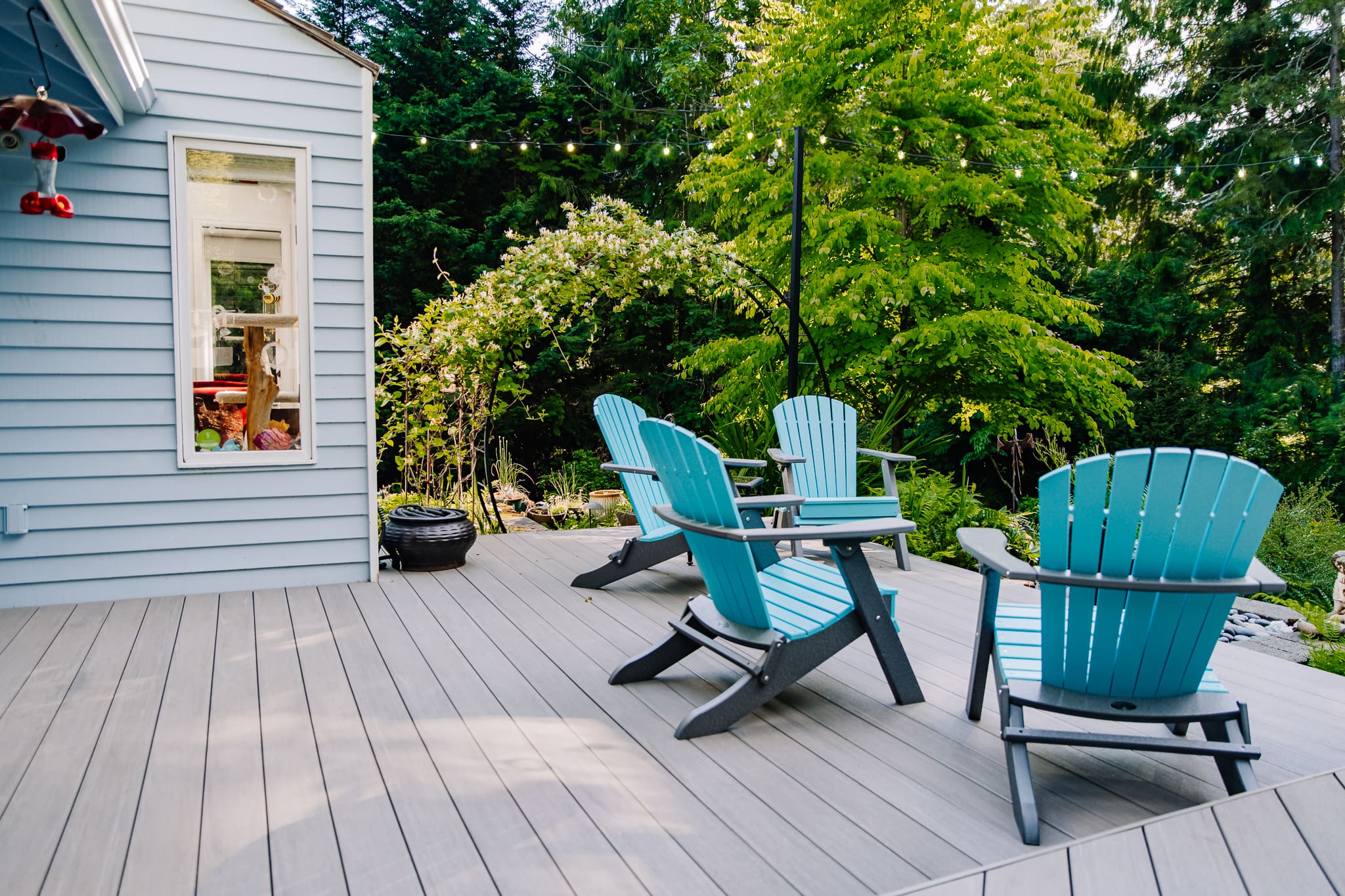
Composite Decking• Highest material cost
• Extremely low maintenance
• Long lifespan and excellent durability
3. Railing Systems
Railing systems are often underestimated during the budgeting process, but they can have a significant impact on both the overall cost and the final look of your deck. The right railing balances safety, durability, maintenance, and how much of your view you want to preserve.
Wood Railing
Wood railing is typically the most affordable option and is often chosen to match traditional or rustic deck designs. While it offers a classic look, it requires regular maintenance such as staining or sealing and can obstruct views depending on the design.
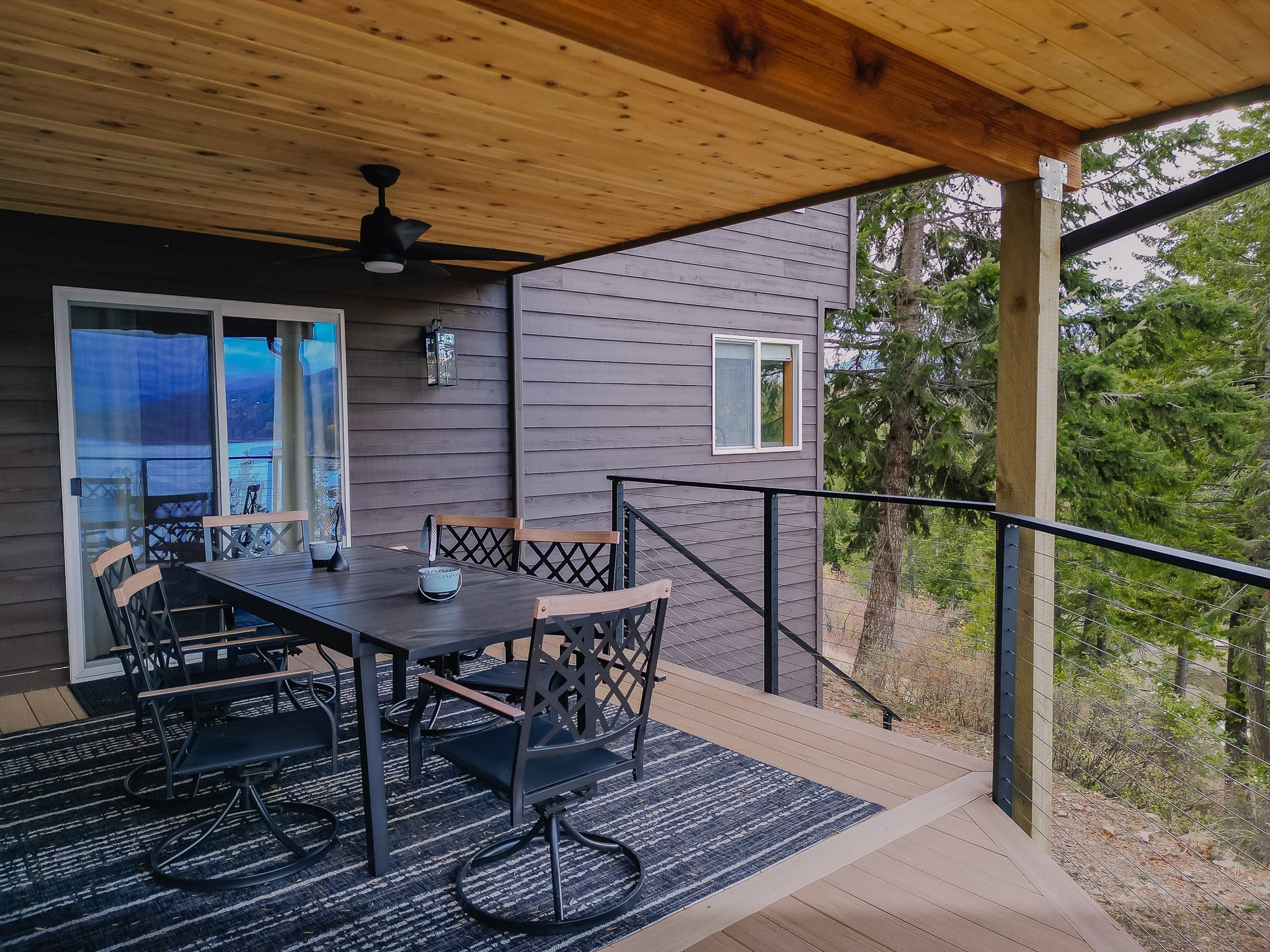
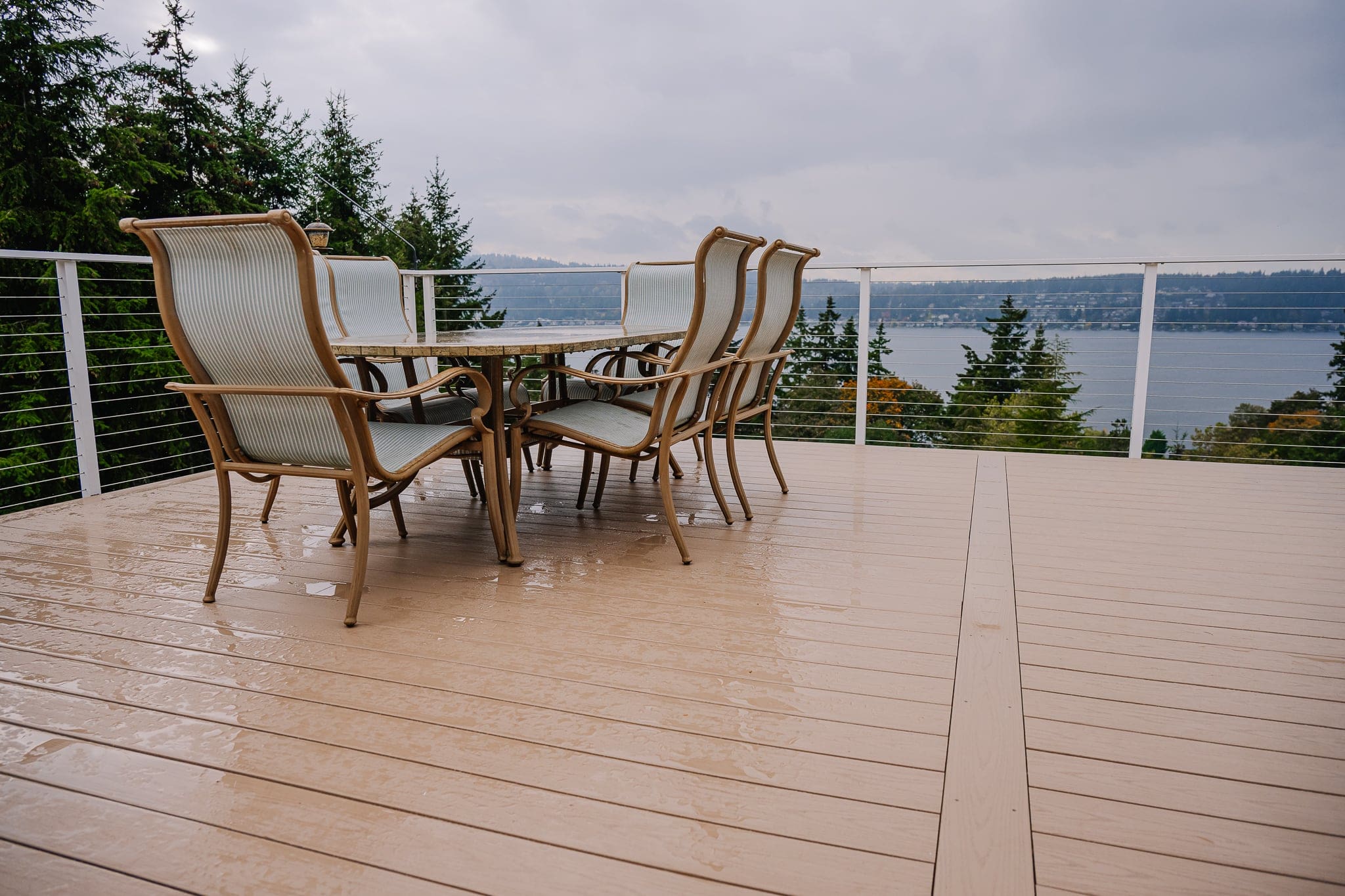
Cable Railing
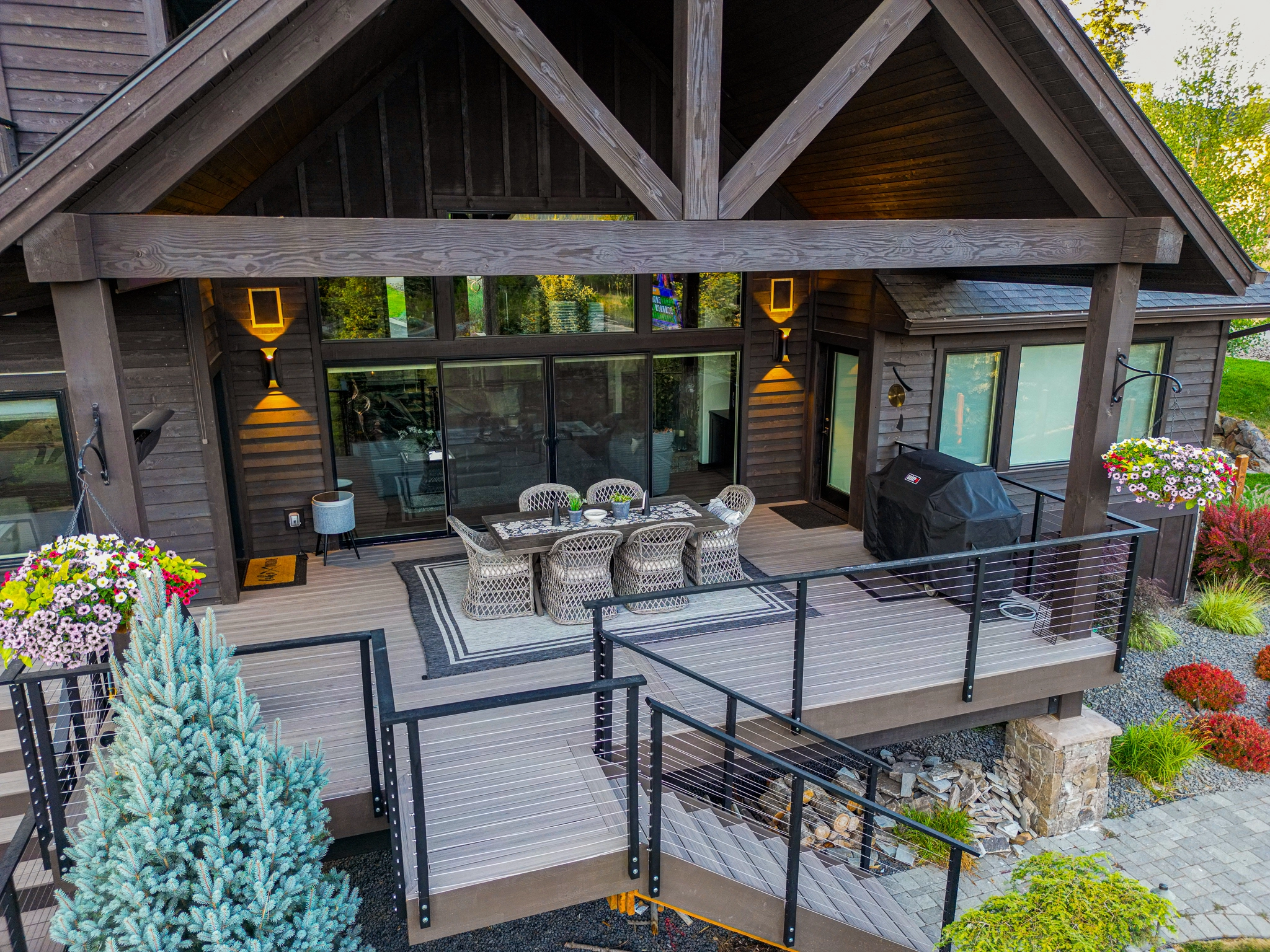
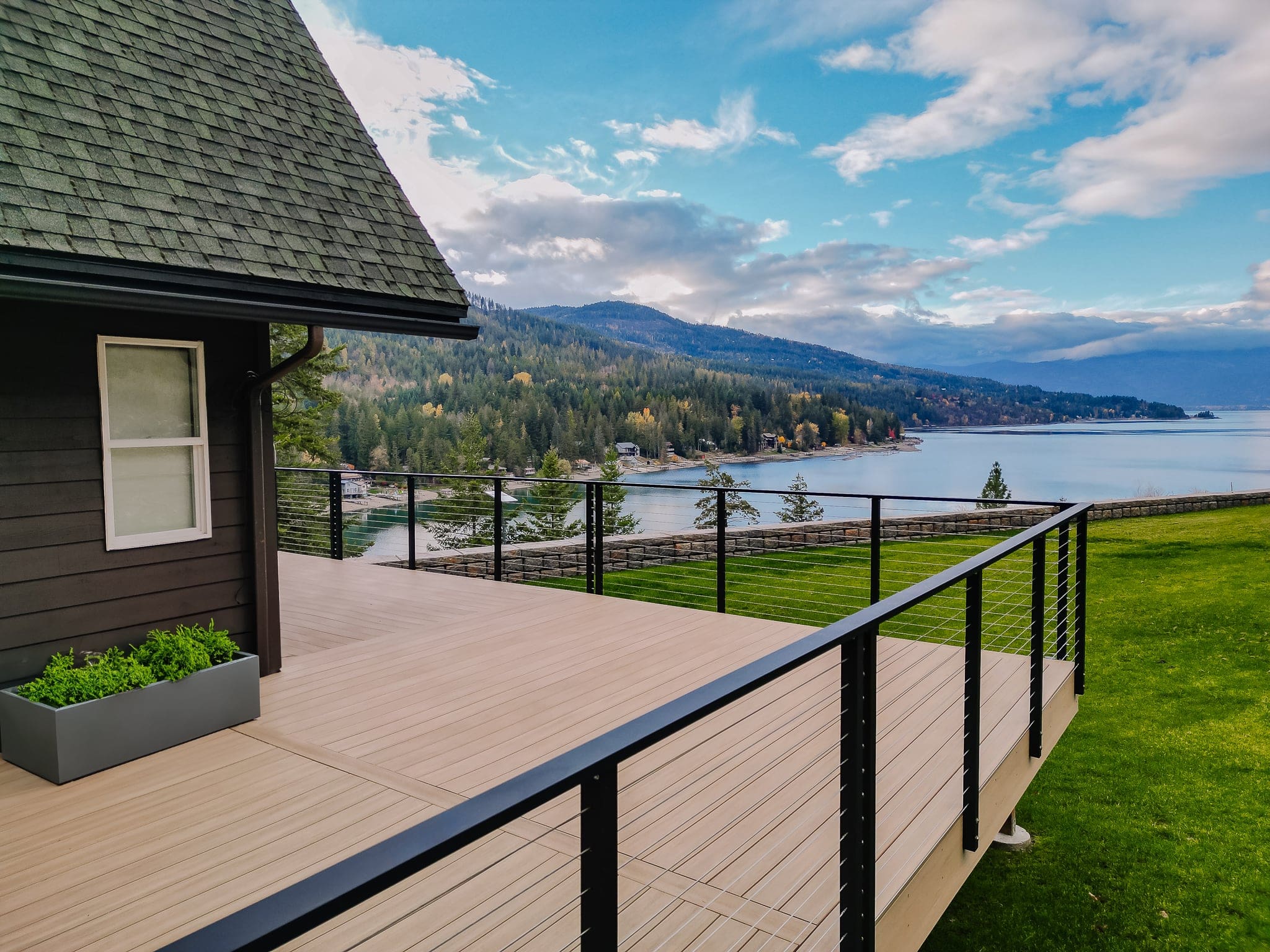
Cable railing is a popular mid cost option that delivers a clean, modern aesthetic while preserving sightlines. It's especially well-suited for view properties, cabins, and contemporary homes. Cable railing systems require precise installation to meet code requirements and maintain proper tension, which contributes to the higher labor cost compared to wood.
Aluminum Picket Railing
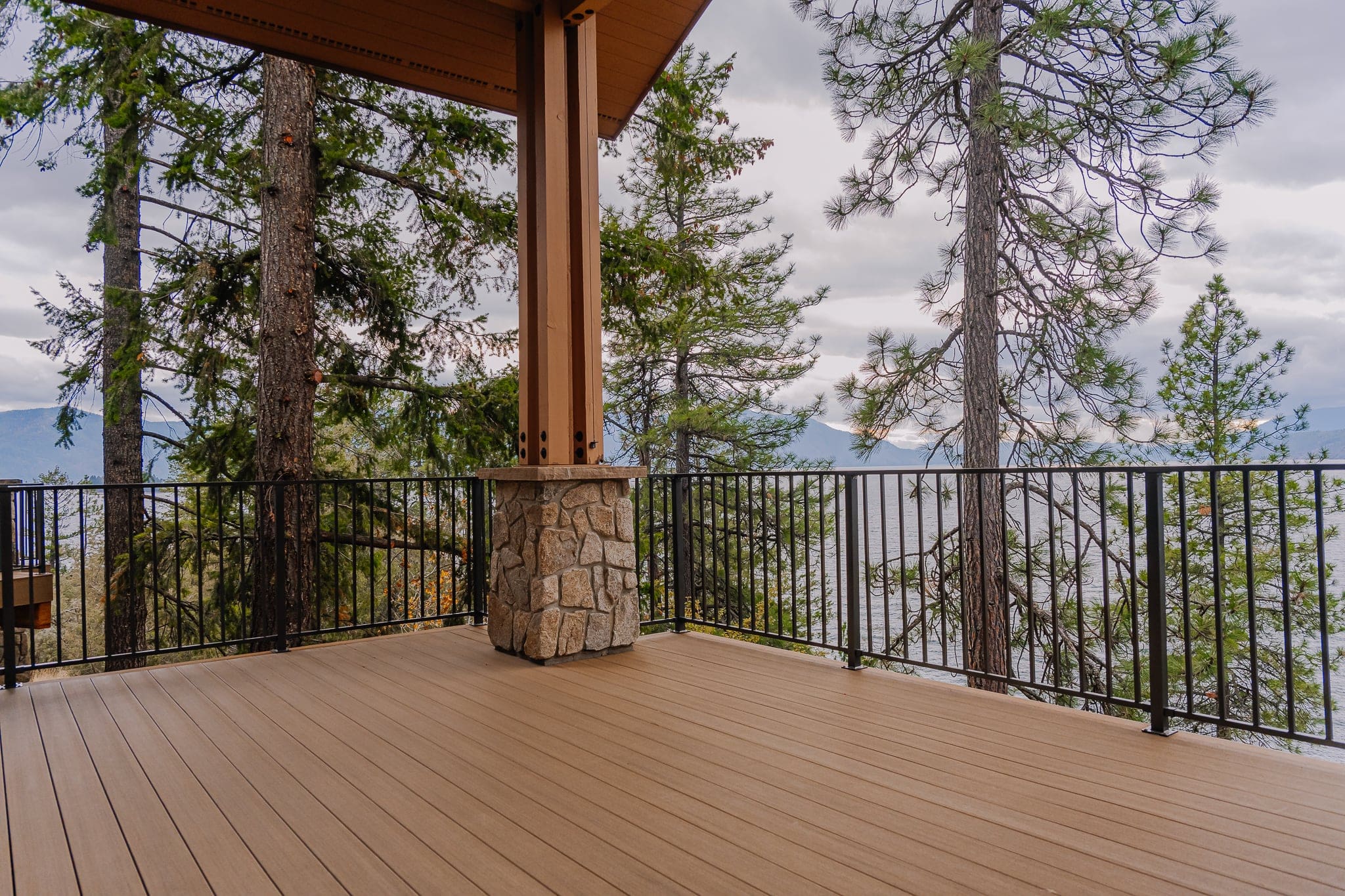
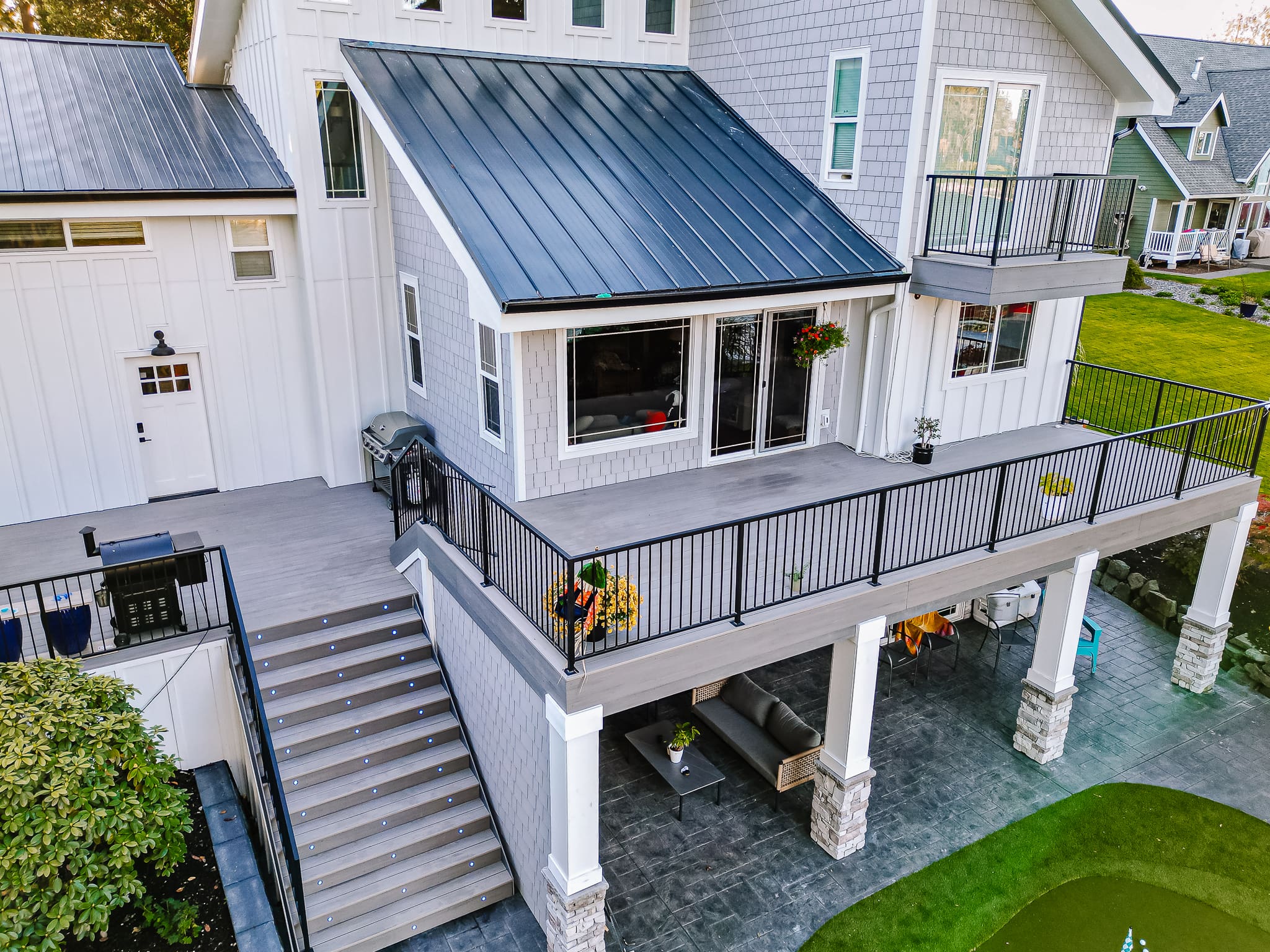
Aluminum picket railing sits in the mid-to-premium price range and is valued for its durability and low maintenance. It won’t rot, warp, or rust, making it a long-lasting option. However, the vertical pickets can partially block views compared to cable or glass systems.
Glass Railing
Glass railing is a premium option and one of the most expensive railing systems available. It offers unobstructed views and a sleek, high-end appearance, making it ideal for waterfront, mountain, or city-view decks. Glass systems also require specialized hardware, thicker framing, and regular cleaning to maintain clarity.
PVC /Composite Railing
PVC and composite railing systems fall into the premium price category, but don’t always offer the same lifespan as metal railing options. While they are low maintenance and visually cohesive with composite decking, they can be more susceptible to fading, movement, or wear over time - especially in areas with significant temperature changes.
Choosing the right railing system is about balancing budget, longevity, maintenance, and how the deck will be used. A professional builder can help guide this decision based on your location, design goals, and long-term expectations.
4. Deck Height & Structure
• Ground-level decks are the least expensive
• Elevated or
second-story decks require additional framing, footings, and engineering
• Multi-level decks increase both labor and material costs
5. Site Conditions
• Factors such as slope, soil conditions, access to the build area, and existing structures can all impact pricing.
• Hard-to-access sites or steep terrain often require additional labor and equipment.
6. Custom Features & Finishes
Optional upgrades can elevate both cost and functionality:
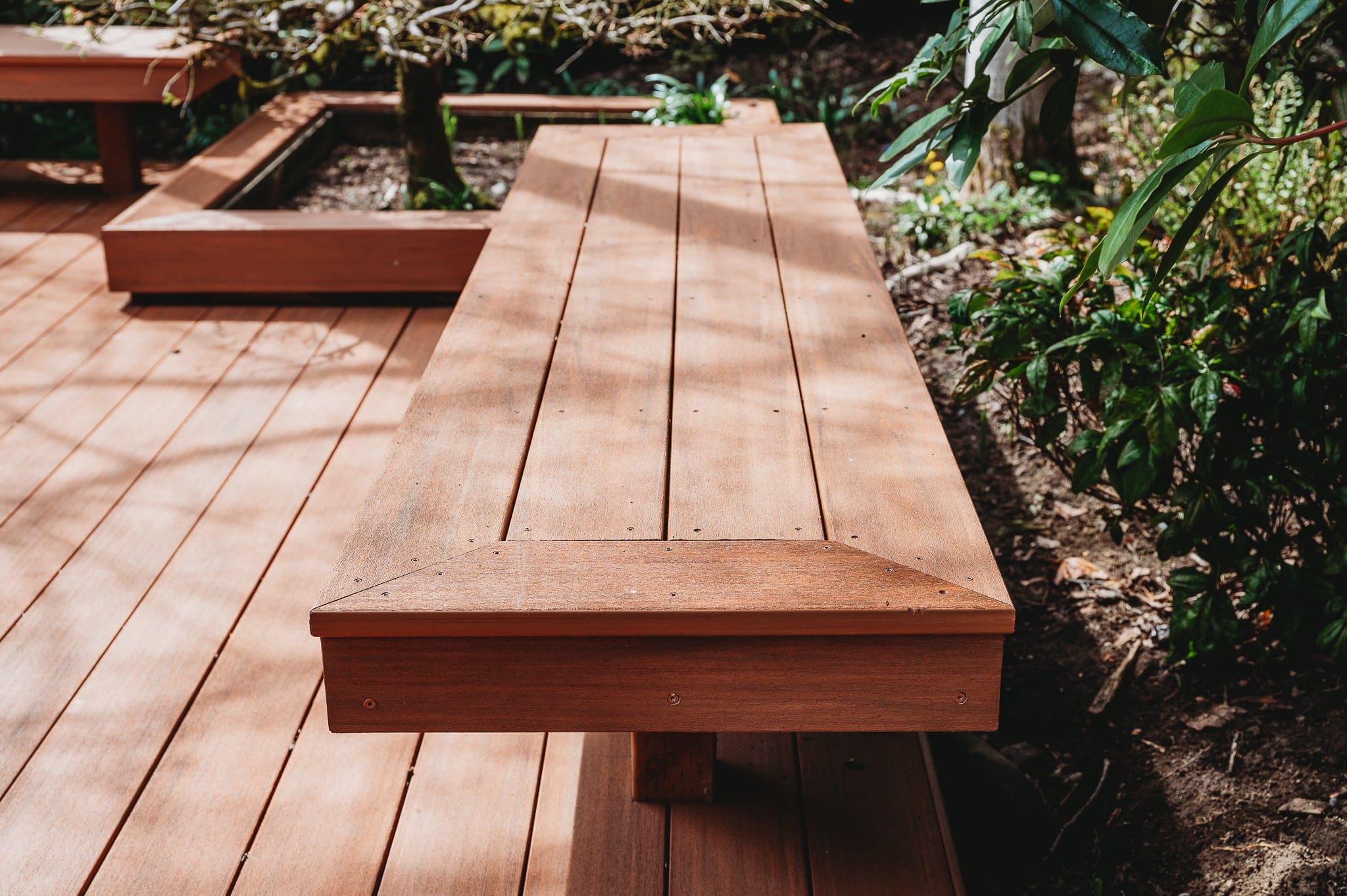
• Built-in benches or seating
• Outdoor kitchens / fireplaces
• Built-in storage
• Privacy walls or screens
• Cedar tongue-and-groove ceilings
• Cocktail railing toppers
• Integrated lighting
• Built-in planter boxes
Cost to Resurface vs. Rebuild a Deck
In some cases, resurfacing an existing deck can save money.
Resurfacing may be an option if:
• The underlying structure/framing is sound and without rot or water damage
• Footings and framing meet current code
Rebuilding is often required if:
• Structural components are failing
• The deck doesn’t meet modern safety codes
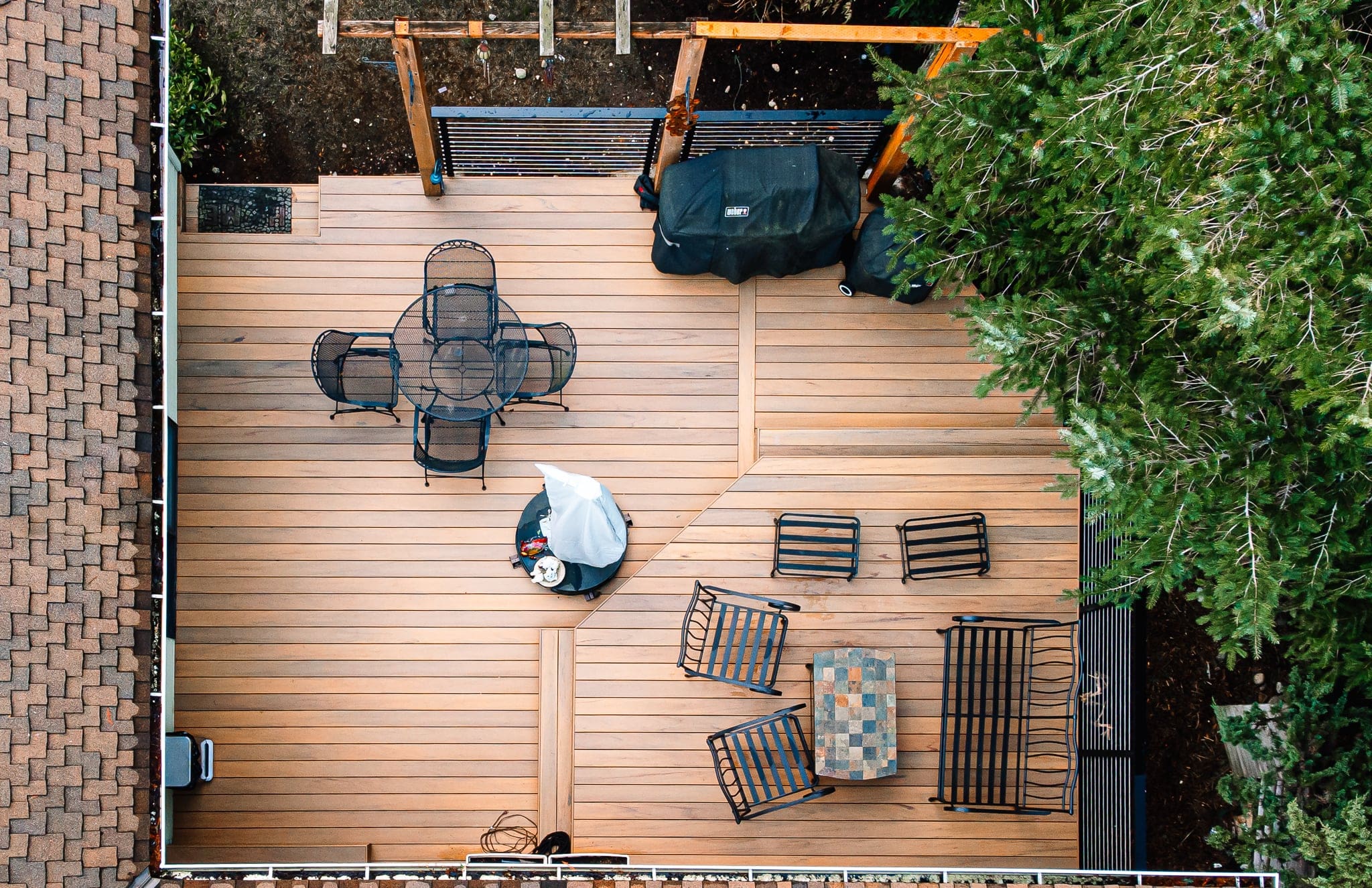
• You want to add height, square footage, or a second level
A professional inspection is the best way to determine which option makes sense.
Does a Custom Deck Increase Home Value?
Yes, custom decks consistently rank among the best home improvement projects for return on investment.
On average, homeowners recoup 60–75% of the deck cost at resale, with higher returns for well-designed, professionally built decks using durable materials.
Beyond resale value, decks dramatically improve everyday livability and outdoor enjoyment.
How to Budget Smart for Your Deck
• Prioritize structure and materials first
• Choose railings that balance aesthetics and cost
• Plan for long-term maintenance
• Work with a contractor who provides transparent pricing
• Avoid choosing solely based on the lowest bid—quality construction saves money over time.
Why Professional Installation Matters
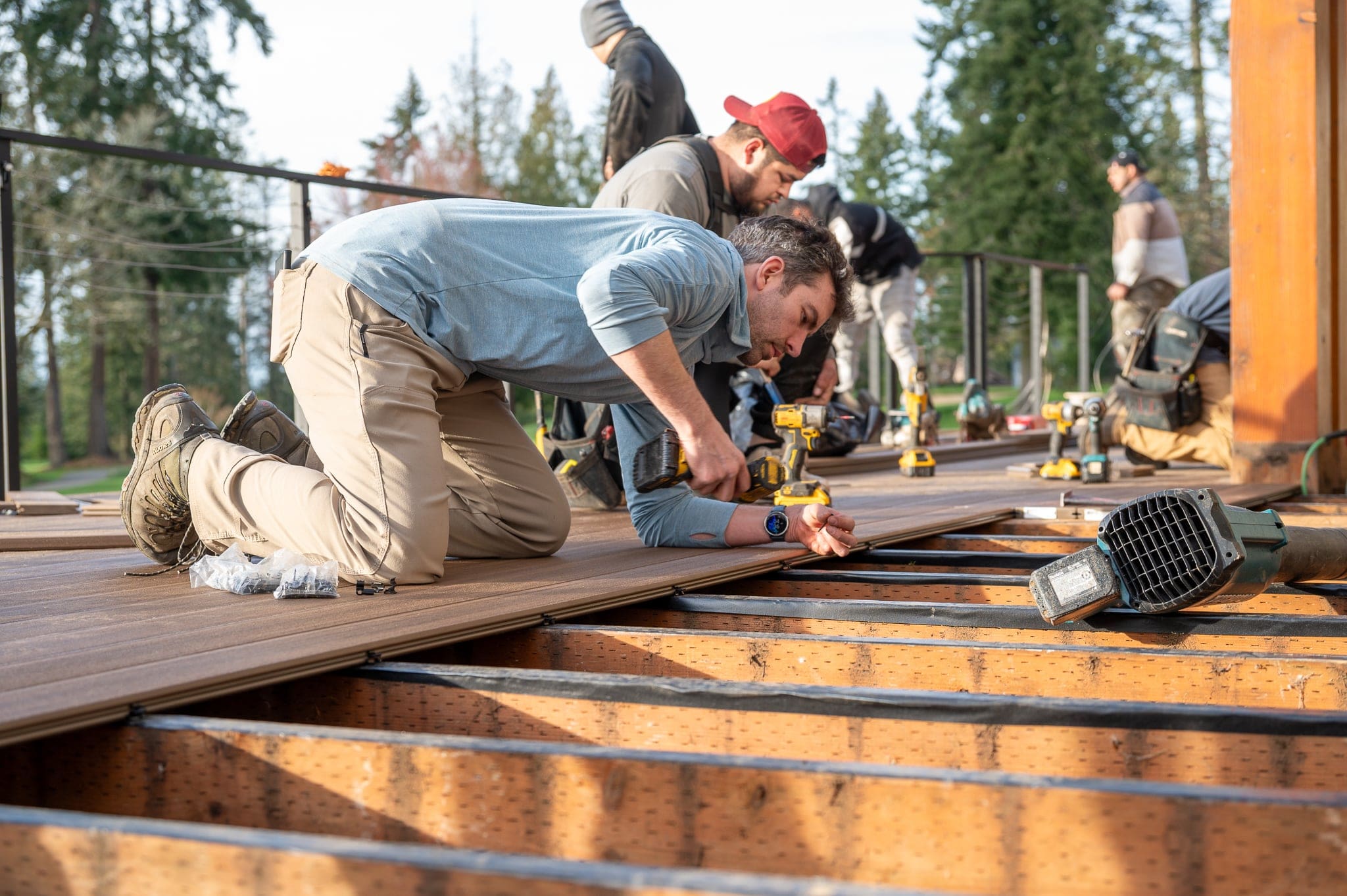
A deck is a structural addition to your home. Professional builders ensure:
• Code compliance - proper permits
• Proper footings and framing
• Long-term safety and durability
• Clean, finished details
Poor installation can lead to costly repairs—or complete replacement.
Final Thoughts: What Should You Expect to Spend?
Most homeowners investing in a custom deck in the PNW in 2026 should plan for $30,000–$60,000 for a well-built, long-lasting outdoor space. While premium materials and custom features increase cost, they also increase longevity, beauty, and overall value.
If you’re considering a custom deck, consulting with an experienced builder early in the process is the best way to align design, budget, and expectations.